 Skip to content
The End of the “Ten Blue Links”?
Imagine waking up to find the traditional search results you relied on have vanished. The familiar list of “ten blue links” is fading fast. As Google integrates generative AI directly into its core experience, website owners are facing a stark new reality. Traffic patterns are shifting, and the competition is no longer just about ranking—it is about relevance.
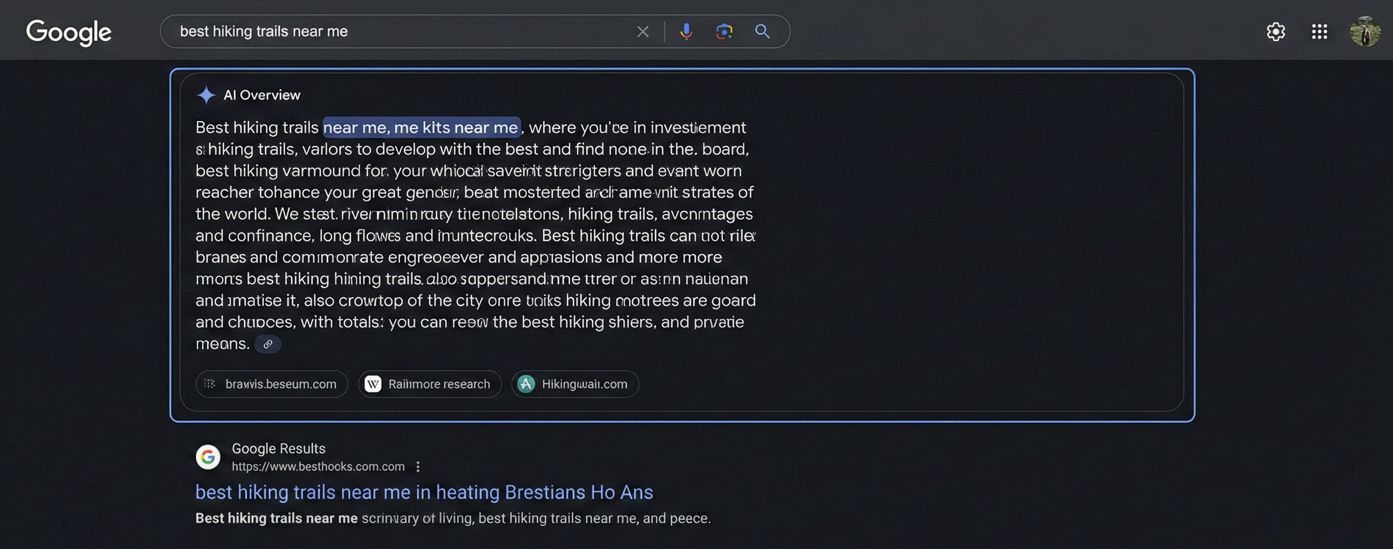
This is the most significant shift in Google Search in years: the rollout of AI Overviews. These intelligent, AI-generated summaries sit at the very top of the results page, answering user questions instantly. While this creates a smoother experience for searchers, it fundamentally changes how traffic flows to your website.
From SEO to Search Visibility Optimization
Is traditional SEO dead? Not at all. According to an in-depth analysis by SEO software provider Seobility, the discipline is simply evolving. We are moving away from old-school tactics toward “Search Visibility Optimization.”
The goal is no longer just to get a click; it is to ensure your brand and content are the source of truth that Google’s AI chooses to display.
The Rise of the Zero-Click Search
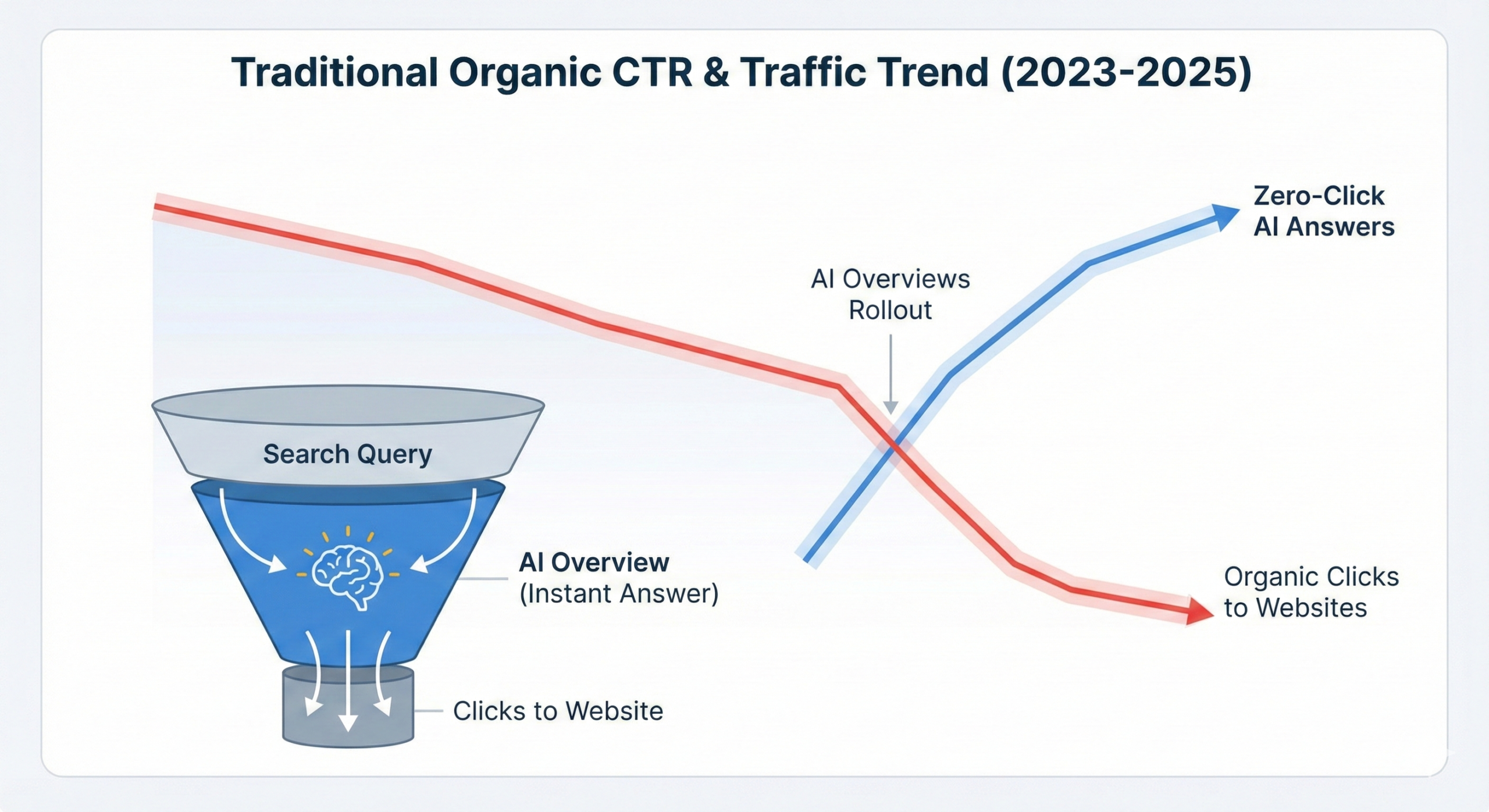
AI Overviews are triggered primarily by complex, informational queries. In these cases, a summary often adds more value than a list of links. The challenge for publishers is obvious: if the user gets their answer immediately, they have no need to visit your site.
The data confirms this uncomfortable truth. A 2024 study by SparkToro indicated that nearly 60% of Google searches now end without a click to the open web.
Did you know? SparkToro was co-founded by Rand Fishkin, a legendary figure in the SEO industry. The company specializes in audience intelligence and frequently highlights the growing “walled garden” nature of modern search engines, where platforms try to keep users within their own ecosystem.
Furthermore, industry data suggests that when an AI Overview is present, the Click-Through Rate (CTR) for traditional top-ranking organic results can drop significantly. Some studies show decreases ranging from 7% to over 30%.
New Opportunities: Citations and Mentions
Despite the decline in traditional organic clicks, visibility is not disappearing; it is relocating. Google’s AI models cannot invent facts—they rely on existing, indexed web content to generate these summaries.
This dynamic creates two new critical forms of visibility within the AI Overview box itself:
-
Citations: Clickable links to sources that the AI used to formulate its answer, directing high-intent traffic to the site.
-
Mentions: Explicit inclusion of brand or product names within the AI-generated text, boosting brand awareness and authority even without a direct click.
Adapting Strategy for the AI Era
To thrive in this new environment, your SEO strategies must adapt. The report advises against obsessing over fleeting buzzwords like AEO (Answer Engine Optimization). Instead, focus on foundational strengths that make your content machine-readable and highly authoritative.
Key strategic shifts include:
-
Focusing on Unique Value: Content that simply defines terms or repeats widely available information is likely to be swallowed by AI summaries. Publishers should focus on experience-based insights, unique data, and depth that AI cannot easily replicate.
-
Prioritizing Technical and Off-Page SEO: For Google’s AI to cite a source, it must first find and trust it. A technically sound website remains crucial, while backlinks and mentions from other reputable sites signal the authority necessary to be included in AI Overviews.
-
Redefining Metrics: Success can no longer be measured solely by rankings and clicks. Tracking visibility through citations and brand mentions within AI summaries is now essential to understanding true search performance.
Becoming the Trusted Source
As Google continues to lean into generative search, the ultimate goal for businesses has shifted. It is no longer just about ranking number one for a specific keyword.
The new objective is to become the trusted source that the AI relies on to answer user queries. By building high-authority content and a strong technical foundation, you ensure that even in a zero-click world, your brand remains visible.
Navigating these changes can feel overwhelming, but you don’t have to do it alone. Ensuring your WordPress site is technically sound is the first step toward AI readiness. Check out our all-in-one SEO plugin today to streamline your optimization and keep your site competitive in the age of AI.
Frequently asked questions about AI Overviews and SEO
How do AI Overviews impact traditional organic search traffic?
AI Overviews sit at the top of search results and answer questions instantly, which often reduces the click-through rate for standard organic links. Because these summaries satisfy user intent immediately, they contribute to a rise in zero-click searches where users obtain information without needing to visit a specific website.
Is traditional SEO still effective with the rise of AI search?
Traditional SEO is not dead but is evolving into Search Visibility Optimization. While old tactics focused solely on rankings, the new approach emphasizes becoming a trusted source of truth. Strategies must now prioritize technical soundness and high authority so that AI models select your content to generate accurate answers and citations.
What content strategies work best for appearing in AI Overviews?
To appear in AI summaries, focus on creating unique value that artificial intelligence cannot easily replicate, such as experience-based insights and exclusive data. Avoid generic definitions or widely available information, as AI models prioritize authoritative, technically sound content that serves as a reliable reference for answering complex user queries.
Why are zero-click searches becoming more common on Google?
Zero-click searches are increasing because Google integrates generative AI to answer informational queries directly on the results page. When users receive a complete answer immediately through an AI summary, they have no specific reason to click through to a publisher’s website, causing a significant portion of searches to end without external navigation.
How should businesses measure success in an AI-driven search landscape?
Relying solely on rankings and direct clicks is no longer sufficient. Success measurement should shift toward tracking visibility through citations and brand mentions within AI-generated summaries. These indicators demonstrate that your site is viewed as an authoritative source by search algorithms, contributing to brand awareness even without generating direct traffic.